
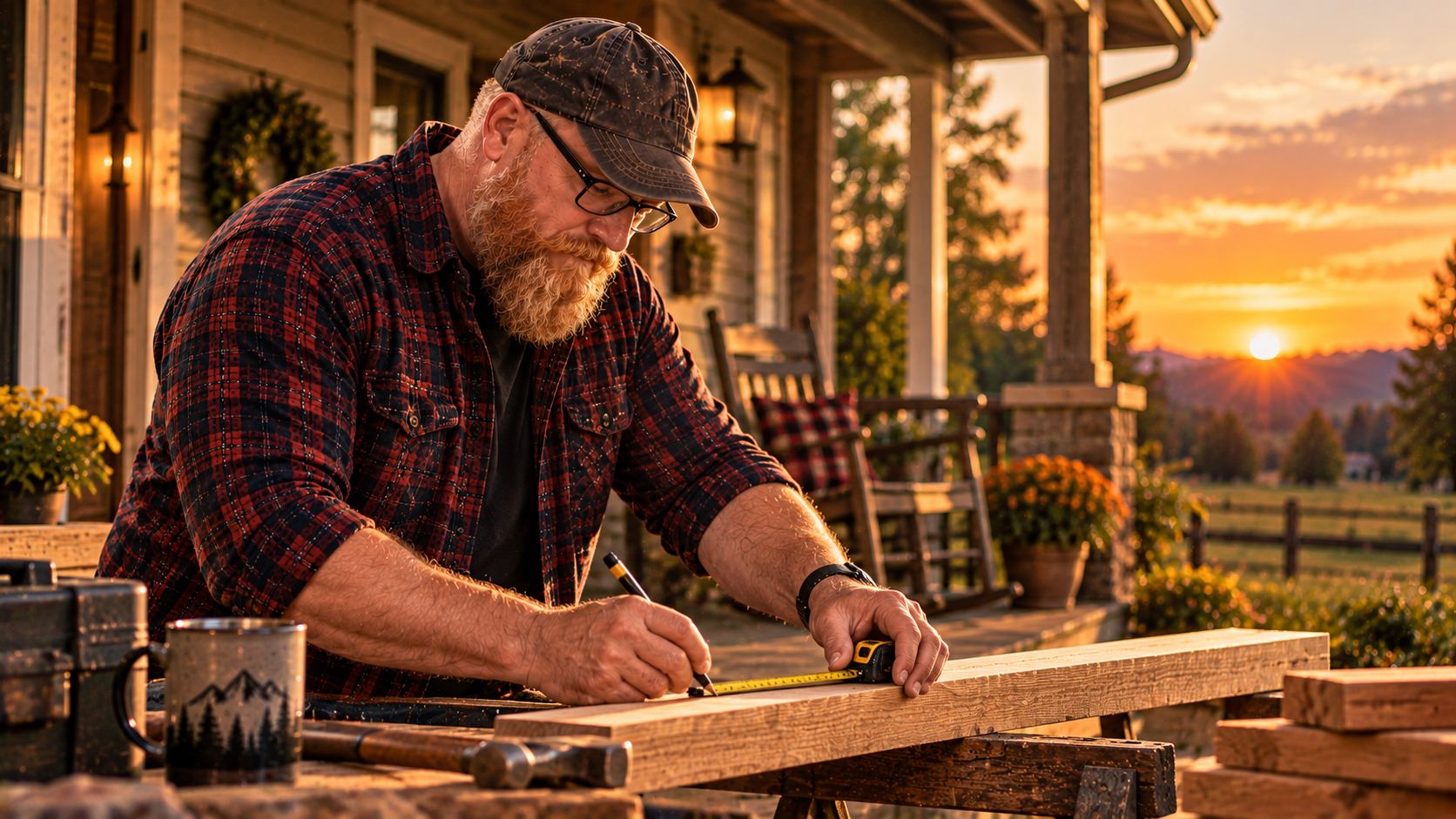
A house can be built with lumber, nails, wiring, and a good set of plans. A home takes something more.
It takes the way people speak to one another after a long day. The willingness to listen when somebody has had a rough afternoon. The little routines that tell a child they belong. The apology that comes before bedtime instead of being postponed until everybody has forgotten what happened.
A home is built in small moments, and most of them do not look important while they are happening.
The Atmosphere Comes From Repetition
Families often remember the big events: birthdays, holidays, graduations, trips, and milestones. Those moments deserve to be celebrated. But the atmosphere of a home is shaped more often by repeated ordinary habits.
Do people feel safe telling the truth? Can somebody admit they are struggling without being mocked? Are mistakes treated as opportunities to learn, or as evidence that a person will never get anything right? Does everyone have to be in a good mood before kindness is allowed?
No household answers these questions perfectly. There will be noise, frustration, and days when everybody needs a little more grace than usual. Still, the patterns we repeat teach the people around us what kind of place home is meant to be.
Small Acts Carry Real Weight
Making a cup of tea for someone who is tired may not seem like much. Neither does putting away a tool you did not use, asking about a child’s day and listening to the answer, or taking responsibility for a mess without waiting to be asked.
But those small actions say something. They say, “I see you.” They say, “We share this place.” They say, “You do not have to earn basic consideration.”
In Galatians 6:9, Paul encourages believers not to grow weary in doing good. The verse speaks to perseverance, and perseverance is needed in family life. A loving home is not created by one generous gesture. It is nurtured by choosing care again and again, including on days when nobody notices.
Repair Matters More Than Pretending
There is no such thing as a home where nobody ever says the wrong thing. What matters is what happens next.
Can a parent apologize? Can a couple return to a hard conversation after cooling down? Can a child learn to make amends without being told that one mistake defines them? Can a family disagree without treating disagreement as a threat to belonging?
Repair does not mean ignoring harmful behavior or pretending every problem is small. Serious patterns sometimes require outside help, firm boundaries, and difficult decisions. But in ordinary conflicts, the willingness to own our part can keep a bad moment from becoming a lasting wound.
Choose One Small Tradition
You do not need an elaborate family system to begin. Eat one meal without phones. Take a short walk after dinner. Ask each person to name one good thing and one hard thing from the day. Read a few verses of Scripture together if that fits your family. Or simply make a habit of saying goodnight without rushing past one another.
The particular routine matters less than the care behind it. Make it realistic enough to repeat. Let it grow naturally instead of turning it into another standard everyone can fail.
Years from now, your family may not remember the brand of furniture or how spotless the kitchen was. They may remember that someone listened, that laughter was welcome, and that people kept trying to make things right.
That is the kind of construction project worth giving your life to, one small moment at a time.
Same conversations. A brighter tomorrow.


Leave a Reply