
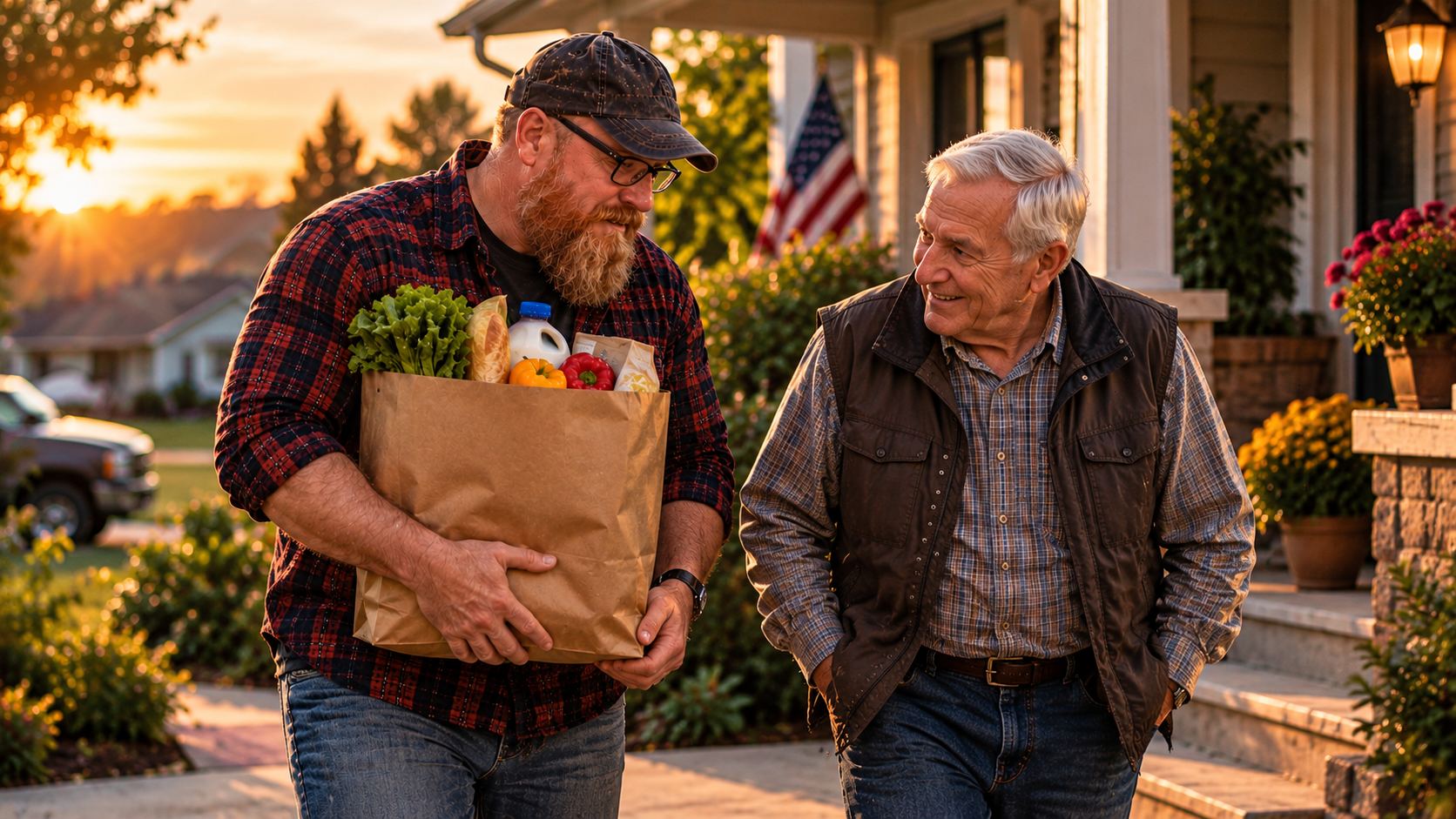
Kids have a remarkable ability to appear completely occupied while taking in everything happening around them.
You might think they are focused on a toy, a game, or whatever is happening on a screen. Meanwhile, they have noticed how you talked to the cashier, what you said when another driver cut you off, and whether you followed through on the promise you made yesterday.
They may not comment on any of it. But they are building a picture of what grown-up life looks like.
The Example Is Always Running
Parents naturally spend plenty of time telling children what they should do. Tell the truth. Be kind. Keep your word. Respect other people. Those are good lessons, and children need to hear them.
But advice loses some of its strength when our own behavior tells a different story. It is hard to teach patience while exploding over a small inconvenience. It is hard to teach honesty while making excuses for our own mistakes. It is hard to teach respect while treating people as though their worth depends on how useful they are to us.
None of this means parents must be perfect. If perfection were the entry requirement for raising children, the human race would have ended a long time ago. What matters is whether our daily choices generally support the lessons we are trying to teach.
Let Them See You Make Things Right
One of the most useful things a child can witness is an adult admitting a mistake.
When you speak too sharply, apologize without adding a list of reasons the other person deserved it. When you forget a commitment, acknowledge it and make a plan to follow through. When you do not know an answer, say so and look for the answer together.
An honest apology does not make a parent weak. It shows a child that responsibility matters more than saving face. It teaches them that people can make mistakes and still choose a better next step.
James 1:19 encourages us to be quick to hear, slow to speak, and slow to anger. That is useful wisdom in a house full of different personalities, needs, and opinions. It is also wisdom children can learn by watching us practice it.
Ordinary Moments Leave a Mark
Family influence is rarely built in one grand conversation. It accumulates through repeated moments: how we respond when plans change, how we speak about people who are not in the room, whether we put the phone down to listen, and how we treat the person who cannot do anything for us in return.
Children also need to see us rest, ask for help, pray, laugh, and recover after a hard day. They need to learn that a responsible adult is not someone who never struggles. A responsible adult is someone who works through struggles without making everybody else pay for them.
Choose One Example Today
Think of one quality you hope your children will carry into adulthood. Maybe it is courage, generosity, patience, faith, or dependability. Ask yourself what that quality looks like in an ordinary Tuesday afternoon, not just in a special occasion.
Then give them a chance to see it.
You will not control every lesson your children absorb, and you do not have to carry that impossible burden. You can, however, give them a home where your words and actions are moving in the same direction.
They are watching more often than you think. Let the ordinary things you do tell a story worth learning from.
Same conversations. A brighter tomorrow.


Leave a Reply