
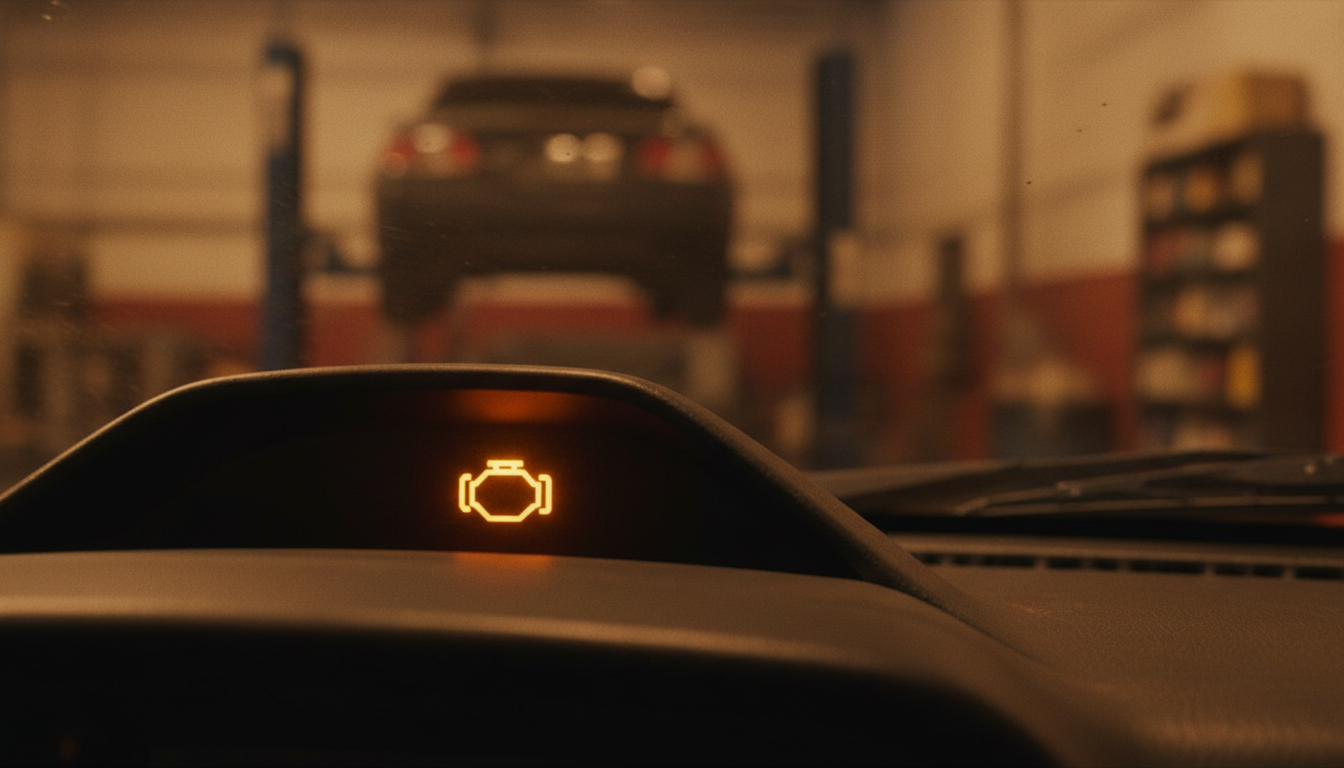
The dashboard light never seems to come on when life is convenient.
There is a particular kind of satisfaction in knowing how to basic car maintenance. It isn’t about showing off or pretending every father has all the answers. It’s about being willing to learn something useful, then inviting our children into that learning. A small job around the house can become the kind of ordinary afternoon a child remembers years later.
I’ve been thinking about how often we rush through those moments. We want the task finished. The kids have questions, our time is limited, and it seems easier to do the job ourselves. But the job isn’t always the most important thing happening. Sometimes the real work is helping a child see that problems can be understood, that effort matters, and that learning is something we do throughout our lives.
Start With the Real-World Skill
Consider basic car maintenance. Open the owner’s manual, explain dashboard warnings, and demonstrate checking tire pressure when tires are cold. That is the kind of practical knowledge worth passing on, even if the first lesson is simply how to recognize the problem and decide who should handle it.
You don’t need to turn your kitchen or garage into a classroom. Invite your child to watch. Explain what you’re checking and why. Ask what they notice. Let them help with an age-appropriate, safe part of the task. If you don’t know the answer, say so. Look it up together, consult the manual, or call someone qualified. That, too, is a lesson.
What the Job Is Really Teaching
Paying attention early is often kinder than dealing with consequences later.
Our kids are paying attention to more than the finished result. They’re watching what we do when the first attempt doesn’t work. Do we get angry? Do we blame someone else? Do we stop and think? Do we treat the people helping us with respect? These responses are the lessons that tend to follow a child long after they’ve forgotten which tool we used.
I want my child to grow up capable, but I also want them to be kind. I want them to know how to tackle a problem without assuming every problem can be solved by force. I want them to feel comfortable asking for help and willing to offer it. Those qualities aren’t built in a single conversation. They’re built in a hundred ordinary ones.
Give Them Room to Learn
One of the hardest parts of being Dad is knowing when to step in and when to stand nearby. We should never compromise safety just to prove a point. But when a task is manageable, a little struggle can be a gift. Give them time to think. Ask what they might try next. Praise the attention and effort, not just the outcome.
And remember that we are still learning, too. A father who can admit he doesn’t know something and then work to understand it is teaching a kind of confidence that doesn’t depend on always being right.
A Conversation Worth Having
Look at your car’s manual together.
Don’t make it a test. Make it a conversation. Ask what your child thinks, listen to the answer, and share what you’ve learned from your own mistakes. You might discover that the thing they remember isn’t the repair or project at all. It’s the fact that you made room for them.
These thirty days aren’t about producing a perfect child or a perfect father. They’re about paying attention to the skills and habits we pass along. Today, basic car maintenance is the starting point. The bigger goal is a child who knows they can learn, contribute, and face the next unfamiliar problem with a steady head.
Until next time, Dad.
Keep Building Together
Want to turn these conversations into hands-on time together? Explore Dad, Let’s Build Something! | 20 Projects for Kids & Dads, a collection of projects designed to help dads and kids learn, create, and spend meaningful time together.
From Dad’s Digital Library
20 hands-on projects for dads and kids — Find a project you can build together, with printable guides and clear adult-and-child roles. Ages 6–10; adult supervision required. Explore the resource →
Leave a Reply