
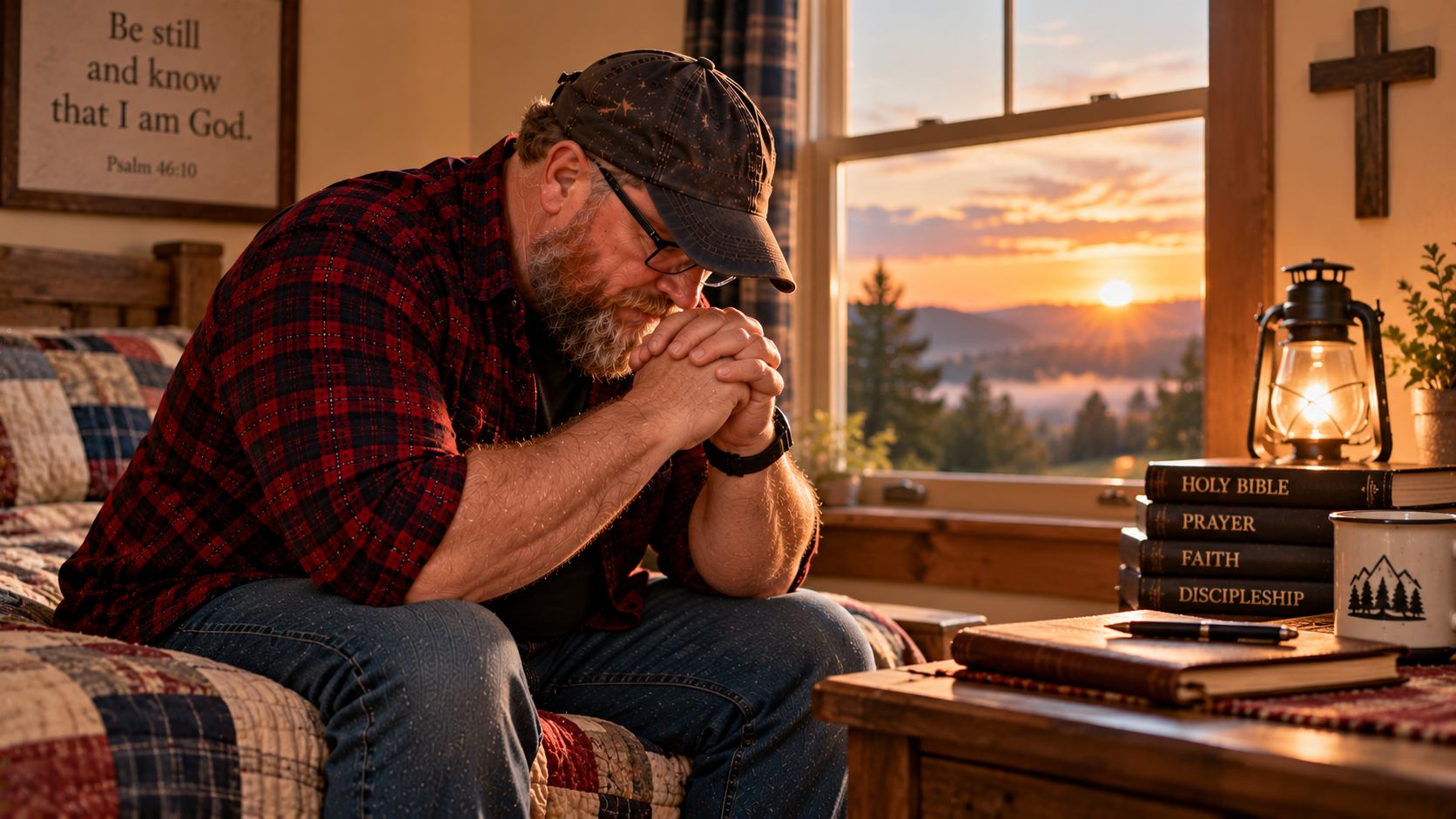
It is easy to remember to pray when life is going smoothly. The day is going well, the bills are covered, the family is healthy, and the plans are working out.
Then something happens that nobody expected. A friendship breaks down. A loved one gets sick. A child faces a disappointment that feels enormous. A job disappears, or a family decision becomes more complicated than anyone imagined.
Those are the moments when children need to know that prayer is not reserved for good days.
Prayer Does Not Require Fancy Words
Children can sometimes think prayer has to sound a certain way. They hear adults use polished phrases and assume that talking to God requires a special vocabulary.
Help them understand that prayer can be simple and honest. “God, I am scared.” “Please help my friend.” “Thank You for getting us through today.” “I do not understand what is happening.” These are real prayers, even when they are short.
Psalm 62:8 invites people to pour out their hearts before God, describing Him as a refuge. That image gives us permission to be honest about what we carry. We do not have to pretend that fear is not there before we bring it to God.
Let Children See You Pray Honestly
Children learn about prayer by hearing what we say, but also by noticing when we turn to God. If you are worried, you can tell them that you are asking God for wisdom. If you have made a mistake, you can pray for forgiveness and explain that you also need to make things right with the person you hurt.
Do not use prayer as a way to avoid practical action. If somebody is ill, pray and seek appropriate care. If a family has a problem, pray and take the next responsible step. If an apology is needed, prayer should help prepare the heart to offer it, not replace it.
Children need to see that faith and responsible action belong together.
Make Room for Questions and Difficult Feelings
When life is hard, children may ask why God allowed something painful to happen. They may feel angry, confused, or afraid. We do not need to rush them toward a neat answer just because their distress makes us uncomfortable.
It is all right to say, “I do not know exactly why this happened, but we can bring our questions to God together.” Honest uncertainty is better than offering a promise Scripture does not make or suggesting that a child must not feel sad if they have enough faith.
The Psalms contain joy, gratitude, grief, fear, and cries for help. They show us that people can bring difficult emotions to God rather than hiding them. Prayer is not a guarantee that every problem will disappear quickly. It is part of a relationship with God as we face the life in front of us.
Create a Simple Family Rhythm
Choose a time that naturally fits your household. It might be at breakfast, before bed, in the car before a difficult appointment, or after a family conversation. Keep it short enough that it can become a habit rather than another burden.
Invite each person to share one thing they are thankful for and one thing they would like prayer for. Let children pass if they do not want to speak. Keep their private concerns private, and do not turn their prayers into material for teasing or public stories without permission.
As they grow, give them room to pray in their own words. The goal is not to make them perform spirituality for adults. It is to help them develop a sincere relationship with God.
Stay Close When There Is No Easy Answer
One of the strongest lessons a parent can offer is that a hard season does not mean a child has been abandoned or that their questions are unwelcome. Sit with them. Listen. Pray if they are willing. Seek wise help when the situation calls for it.
Some answers come slowly. Some situations remain painful even after we have prayed. Faith does not require us to call pain pleasant or pretend that grief has a quick timetable.
Teach your children that they can come to God with the truth about how they feel, and teach them through your own example that they do not have to face hard things alone.
Same conversations. A brighter tomorrow.
For a related reflection, read about the example children see in everyday life.
Related conversations: The Legacy You Leave in Ordinary Days.
Leave a Reply